From Chaos to Connection: How a Simple App Brought Us Closer Than Ever
Imagine this: you and your partner both want to meet up with friends, but between busy schedules, miscommunications, and forgotten plans, it never seems to happen. You end up missing out—not just on fun nights, but on precious time together. I’ve been there. But everything changed when we started using one unassuming tool that transformed how we plan, connect, and actually enjoy our time as a couple. It wasn’t flashy or expensive. It didn’t promise miracles. But in the quiet way it helped us stay aligned, it gave us something we hadn’t realized we were missing—peace of mind, and a deeper sense of togetherness.
The Little Fight That Started It All
It was supposed to be a simple dinner. My husband thought I’d confirmed the date with our friends. I thought he had. We both showed up to the evening stressed, defensive, and hungry—not just for food, but for understanding. That night, over half-eaten takeout, we had *the talk*. Not the big, dramatic one about dreams or finances, but the quiet, aching kind about how disconnected we’d become in the small things. We weren’t fighting about dinner. We were fighting about feeling like we were always one step behind each other.
Looking back, it wasn’t laziness or lack of care. We were both trying—juggling work, family, and the endless to-do lists that come with running a home. But our method of planning? It was outdated. A patchwork of text messages lost in busy inboxes, voice notes buried under notifications, and mental notes that simply didn’t stick. One of us would take the initiative, send a message, and then wait… and wait… only to be met with silence or a vague 'maybe.' The other would forget to reply, not out of neglect, but because life got loud. And each time, a tiny bit of frustration built up—like static electricity waiting to spark.
What we realized that night was this: our biggest barrier to connection wasn’t time, money, or even energy. It was coordination. The mental load of tracking who said what, when, and to whom was exhausting. And worse, it was making us feel like we couldn’t rely on each other. I remember lying in bed that night, staring at the ceiling, wondering: Is there a better way? Can technology actually help us feel more in sync, instead of more distracted? I didn’t want another app that added to the noise. I wanted one that could simplify the chaos.
Discovering the Right Tool (It Wasn’t What I Expected)
I started my search like most of us do—typing into a search bar: 'best apps for couples to plan things.' What I found surprised me. Most were either too rigid—like shared corporate calendars with color-coded blocks and reminders that felt like work—or too casual, like group chats that quickly spiraled into chaos. One app, though, stood out. It wasn’t marketed as a couples’ tool or a social planner. It was designed for groups of friends who wanted to make plans without the back-and-forth. Simple. Visual. Collaborative.
What made it different was how it mirrored real-life conversation. Instead of forcing us to schedule like project managers, it let us toss out ideas like we do over coffee. 'Want to try that new brunch spot?' I could drop that into our shared space, tag my husband and a few friends, and let people react. No pressure. No long threads. Just a casual nudge. The app would then guide us gently toward a decision—suggesting dates based on availability, letting people vote on options, and quietly confirming once everyone agreed.
The first time we used it, I held my breath. Would he think it was silly? Would it feel cold, like we were outsourcing our relationship to an algorithm? But the opposite happened. Because we both had equal input, because we could respond in our own time, because the pressure was off—something shifted. We weren’t assigning tasks. We weren’t playing phone tag. We were co-creating our social life, together. And that small shift in how we communicated made all the difference. The technology itself wasn’t revolutionary. But the way it supported our natural rhythm? That was.
Setting It Up Together—Our 10-Minute Ritual
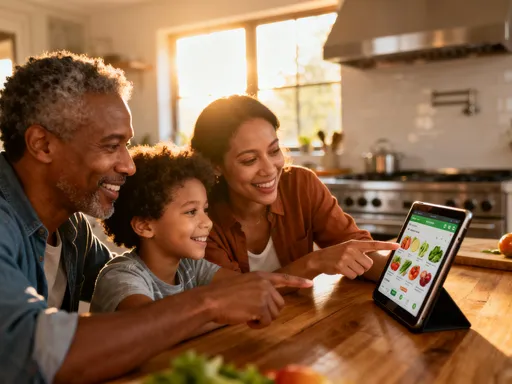
We didn’t rush into it. One Sunday morning, over coffee and toast, we sat side by side on the couch and set it up—not one of us doing it for the other, but together. That mattered. We started by adding our closest friends, creating small groups: 'Neighbors,' 'College Friends,' 'Family Dinners.' Then, we labeled the kinds of gatherings we actually enjoyed. 'Low-key Fridays,' 'Weekend Hikes,' 'Game Nights.' The app prompted us to choose preferences—like whether we preferred evening or weekend plans, or if we liked cooking at home versus eating out. Each choice became a tiny conversation.
'I didn’t know you liked board games that much,' I said, surprised, as he selected 'Game Night' as a favorite. 'I didn’t know you hated sushi,' he laughed, when I unclicked that option. We disagreed on a few things—should we include extended family in the main group? Should we set reminders two days ahead or one week? But instead of arguing, we talked. We compromised. And by the end of those ten minutes, we weren’t just setting up an app. We were aligning our social rhythms. We were saying, without words, I see what you like. I care about what matters to you.
That shared setup became a ritual. Now, whenever we think of inviting new friends or trying a new kind of event, we sit down together and update it. It’s become part of how we nurture our relationship—not through grand gestures, but through small, intentional moments of collaboration. And the best part? It doesn’t feel like work. It feels like connection.
Inviting Friends Without the Awkward Back-and-Forth
Remember those endless group texts? The ones that start with 'Hey, want to get together soon?' and then spiral into days of 'Maybe,' 'What day works?' 'Who’s free?' 'I can’t do Saturday,' 'Wait, what time?' It’s exhausting. And worse, it often ends with no decision at all. Someone gives up. Plans fizzle. And you’re left wondering if anyone really wanted to meet—or if you’re the only one trying.
Now, it’s different. When I want to plan something, I open the app and create a simple poll. 'Saturday night—Italian or sushi?' I tag our usual group. My husband taps his choice. So do our friends. Within hours, the app tallies the votes. The majority wins. The plan is set. No pressure. No guilt. No one left wondering if they should respond. It’s not just efficient—it’s kind. It respects everyone’s time and energy.
And here’s what I love: my husband doesn’t feel like I’m always the one organizing. Because he can jump in anytime. He sees the poll, votes, maybe even suggests a different date. We both feel involved. We both feel heard. And when the plan is confirmed, the app sends a gentle reminder—no last-minute panic, no forgotten RSVPs. We’ve even started using it for family events, like holiday dinners or weekend trips with the kids. My sister-in-law once said, 'You guys make hosting look so easy.' I smiled. She had no idea it wasn’t talent—it was teamwork, supported by a simple tool.
How It Quietly Strengthened Our Relationship
At first, I thought this app was just about planning gatherings. But over time, I realized it was doing something deeper. It was reducing friction. And when friction goes down, so does tension. We stopped blaming each other for missed messages or forgotten plans. Instead of saying, 'You didn’t tell me!' we started saying, 'Let’s check the plan.' That small shift in language changed everything.
Because the app became our shared source of truth, we didn’t have to rely on memory or assumption. We weren’t keeping mental score of who did what. And that freed up space—emotional space—for patience, for kindness, for actual conversation. We started talking more about what we wanted, not just what we needed to do. 'I’d love to host a summer barbecue,' I said one evening. 'Only if we can do it early, before the kids get cranky,' he replied. That kind of planning used to feel like negotiation. Now, it feels like partnership.
And here’s the unexpected part: the app didn’t replace our conversations. It made room for better ones. Without the stress of coordination, we could focus on the joy of connection. We talked about why we wanted to see certain friends, what kinds of moments we wanted to create, how we could make our home a place of warmth and welcome. The tool didn’t create intimacy—but it removed the noise that was blocking it.
Making It a Habit—Small Wins That Add Up
We didn’t go from zero to hosting every weekend. We started small. One gathering a month. A casual dinner. A walk in the park with another couple. The app sent gentle nudges—'You haven’t planned anything in a while. Want to invite the Johnsons?'—not pushy, but encouraging. When plans were confirmed, it celebrated quietly with a little animation. Silly? Maybe. But it made us smile. It made it feel good to follow through.
Each successful event built momentum. We weren’t just checking a box—we were creating memories. I remember one evening, sitting on the porch with friends, laughing over wine, watching the kids play in the yard. My husband caught my eye and grinned. In that moment, I realized how far we’d come. We weren’t just hosting. We were building a life we loved—one small gathering at a time.
And our friends noticed. 'You two seem more in sync lately,' one said. Another commented, 'You always know what’s going on. How do you keep up?' I didn’t tell them about the app at first. I didn’t want to sound like I was bragging. But when they asked, I shared. And now? Half our friend group uses it. Not because I pushed it, but because they saw the difference it made—not just in our planning, but in our presence.
A Simpler, Fuller Life—One Plan at a Time
Today, planning isn’t a chore. It’s part of how we connect. It’s how we show up for each other, for our friends, for our life. We’re not just better at hosting—we’re better at being a team. That tiny shift—the decision to use a simple tool to support our relationship—didn’t just fix our social calendar. It deepened our bond. It reminded us that love isn’t always in the grand declarations. Sometimes, it’s in the quiet moments of alignment. In choosing the same restaurant. In confirming the same date. In saying, without words, I’m with you. I’ve got your back.
Because when you remove the noise—the missed texts, the forgotten plans, the silent resentments—what’s left is what matters. Time. Presence. Each other. And isn’t that what we all want? To feel seen, to feel supported, to feel like we’re moving through life side by side, not one step behind? This app didn’t change our love. It just gave it a little more room to breathe. And in that space, we found not just better plans—but a fuller life.