What If Your Phone Could Organize Your Life Without You Lifting a Finger?
Imagine starting your day not with a flood of apps, reminders, and to-do lists—but with calm, clarity, and control. What if all the little tasks that clutter your mind—booking groceries, tracking appointments, planning family dinners—could sort themselves? It’s not magic. It’s how local life apps are quietly reshaping the way we organize our days, our homes, and even our peace of mind. You’re not behind. You’re not overwhelmed because you’re not trying hard enough. You’re just using tools that weren’t built for the beautiful mess of real life. But what if they could be?
The Daily Chaos We All Know
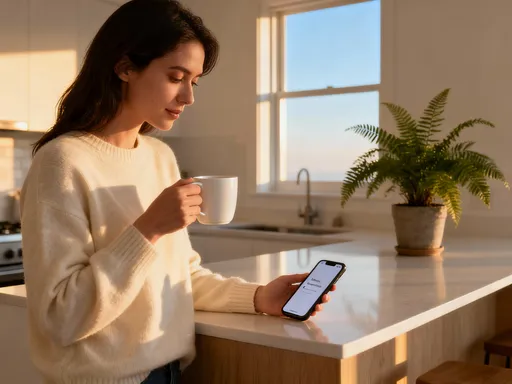
Let’s be honest—your morning probably doesn’t start with meditation and a smoothie. It starts with a blaring alarm, a missing permission slip, and a text from your sister asking if you picked up Aunt Carol’s birthday gift. You grab your phone, already buzzing with five unread messages, and open your notes app to check the grocery list you scribbled last night. Was it almond milk or oat? And did the kids need new sneakers this week? You promise yourself you’ll ‘get organized’—again. But here’s the truth: it’s not you. It’s the system.
We’re living in a time when information is everywhere, but useful information is nowhere. Our brains are holding receipts—literally and figuratively. We remember pharmacy refill dates, PTA meeting times, and the fact that the bathroom faucet drips after 8 p.m. But our tools? They’re scattered. One app for groceries, another for prescriptions, a third for school events, and a sticky note on the fridge that says ‘call electrician??’ It’s exhausting. And the emotional cost is real. That low hum of stress in the back of your mind? It’s not because you’re failing. It’s because you’re trying to manage a full-time job, a family, and a home with tools that belong in 2005.
I remember one Tuesday morning when I almost missed my daughter’s dental appointment because I’d written it in my paper planner, but the time changed—and the email update got lost in a sea of newsletters. I arrived ten minutes late, flustered, juggling coffee and a half-zipped backpack. The receptionist smiled politely, but I felt like I’d failed. That night, I sat at the kitchen table and asked myself: why am I the only one holding all of this? Why can’t my phone do more than just remind me? Why can’t it *know*?
How Local Apps Are Smarter Than We Think
Here’s the good news: your phone already knows more about you than you think. Every time you order soup from the local deli, refill a prescription, or book a haircut, you’re leaving a trail of quiet intelligence. And when used with intention, those local life apps—food delivery, pharmacy services, neighborhood errand runners—can become your most trusted organizers. They don’t need flashy AI or complicated dashboards. They just need you to let them learn.
Think of it like this: if you order the same grocery list every other week, why shouldn’t your app suggest it before you even open it? If you always pick up your son’s allergy medication on the first of the month, why shouldn’t it remind you a day early—just in case traffic is bad? This isn’t science fiction. It’s behavioral intelligence. These apps collect patterns—your rhythms, your preferences, your little habits—and they can use them to lighten your load. The key is to stop treating them as one-off tools and start seeing them as part of a bigger system.
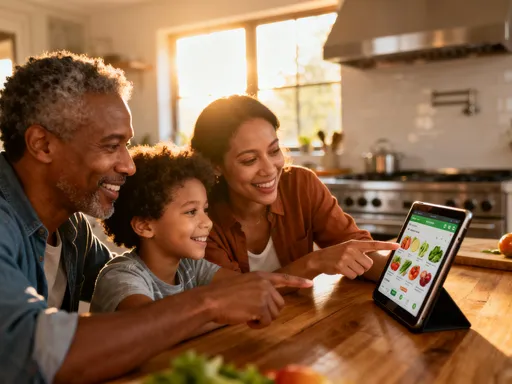
I started small. I picked one app I already used—my local grocery delivery service—and began paying attention to how it remembered my favorites. Then I noticed it had a ‘frequent orders’ section. I saved my most common list there. The next time I opened the app, it was right on the homepage. No searching. No second-guessing. Just a few taps, and dinner was on its way. That tiny win made me wonder: what else could work this way?
The shift wasn’t about downloading more apps. It was about using the ones I already had more thoughtfully. Instead of opening five different platforms to manage my week, I asked: which one could do more? Which one could remember for me? And slowly, I began to see my phone not as a source of distraction, but as a quiet partner in the background—learning, adapting, and helping.
Turning Scattered Data Into Personal Systems
Organization doesn’t have to mean color-coded spreadsheets or digital minimalism. For most of us, it means making the everyday easier. The real power of local life apps comes when we connect them—not in a techy, complicated way, but in a simple, human way. Think of your phone as a command center for your life, not just your inbox. And the first step is grouping things by what matters most: home, health, family, and self-care.
For home, I use my grocery app as the anchor. I’ve linked it to my calendar so that every time I order, it notes the date. Over time, I could see a pattern: I always run out of coffee and oat milk around day 12. So now, I set a gentle reminder for day 10: ‘Time to check your pantry.’ No pressure. Just a nudge. I also connected my local hardware store’s app to home maintenance. When I need to replace a filter or check the furnace, I save it in a folder called ‘Home Care,’ and I review it once a month. Small? Yes. Life-changing? Maybe not. But it means I’m not scrambling in the dark when something breaks.
For health, I let my pharmacy app do the heavy lifting. Refills are auto-ordered, and I get a notification when they’re ready for pickup or delivery. I also added my family’s vaccination records to the secure section of the app—something I’d been meaning to do for years. Now, when school asks for proof, I don’t have to dig through a filing cabinet. It’s right there. My daughter even uses it to track her allergy shots. She gets a reminder, and I get peace of mind.
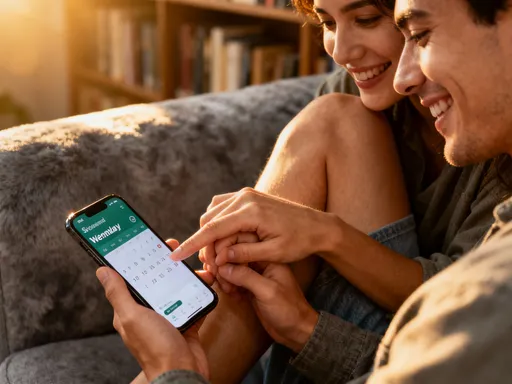
Family coordination used to be my weakest spot. But then I discovered how easy it is to sync my child’s school calendar with a local bus tracking app. Now, I get a notification when the bus is five minutes away. No more standing in the rain. No more late pickups. And for meals? I use a shared family notes folder where we drop ideas all week. On Sundays, I scan it and plan the next week’s dinners. Leftover chicken? Tacos. Extra veggies? Stir-fry. It’s not gourmet, but it’s stress-free.
The Hidden Power of Small Routines
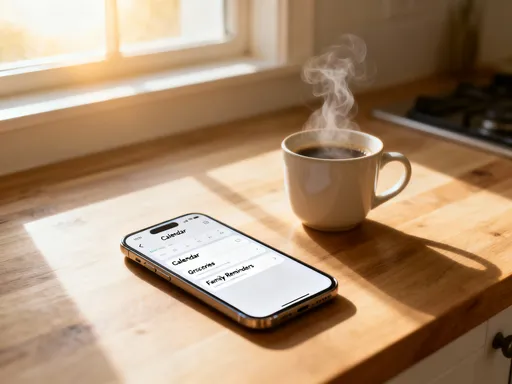
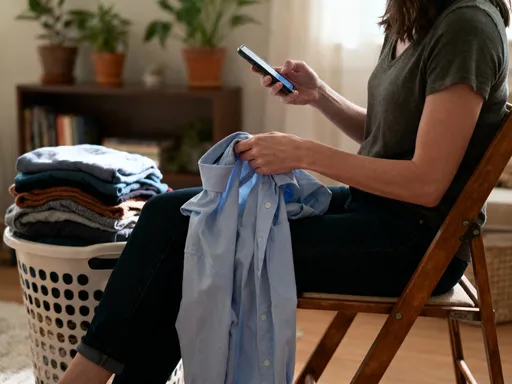
You don’t need a perfect system. You need one that works most of the time. And the secret? Small, repeatable habits. I used to think I needed a major overhaul—new apps, new rules, a whole new me. But what actually changed things was a ten-minute weekly ritual I call the ‘life sync.’ Every Sunday night, after the kids are in bed, I sit with my phone for ten minutes. I check my calendar for the week ahead. I scan my grocery list. I look at any upcoming prescriptions or appointments. And I update my shared family notes.
It’s not fancy. But it’s consistent. And consistency is where clarity lives. I also started using voice memos after grocery shopping. As I unpack, I say things like, ‘We’re out of dish soap. Need more paper towels. Oat milk was on sale—grab extra next time.’ I save it in a folder called ‘Next Shop.’ Later, when I’m ordering, I play the memo and add everything in one go. No forgotten items. No second delivery fee.
Another tiny habit: I take a photo of every receipt from local services—dry cleaning, car repair, vet visits—and save it in a folder by month. At tax time, I don’t panic. I just open the folder and upload what I need. My friend Lisa does something similar with her kids’ activity fees. She takes a picture of each payment and labels it with the date and purpose. When the school asks for reimbursement, she’s ready.
These aren’t revolutionary ideas. But they reduce decision fatigue. They free up mental space. And over time, they build a quiet confidence: I’ve got this. I don’t have to remember everything. I just have to show up and let the system help.
Building Emotional Calm Through Digital Order
There’s a direct line between a cluttered phone and a cluttered mind. When your apps are disorganized, your thoughts are too. You feel like you’re always one step behind. But when your digital life reflects order, something shifts. You feel lighter. More in control. More present.
I noticed this most with my mom. She lives two hours away, and I used to worry about her prescriptions. Did she refill them? Did she take them? Then I helped her set up her pharmacy app with auto-refill and delivery. Now, I get a notification when her order ships. I don’t have to call and ask. I just know. And that tiny piece of information gives me real peace. It’s not just about the pills. It’s about care. It’s about love showing up in the smallest, most practical ways.
Another moment: my birthday was coming up, and I was stressed. Not about the day itself—but about forgetting something important. Then I got a notification from a local flower shop I’d bookmarked: ‘Your mom’s birthday is in 3 days. Pre-order her favorite roses?’ I clicked yes. Ten minutes later, they were on their way. No shopping. No remembering. Just care, delivered.
This is the emotional payoff of digital organization. It’s not about efficiency. It’s about presence. When your phone handles the little things, you can focus on the big ones—laughing with your kids, calling a friend who’s having a hard time, sitting quietly with a cup of tea. You’re not outsourcing your life. You’re making space for it.
Sharing the Load: Tech That Connects Families
One of the most powerful shifts happened when I stopped trying to manage everything alone. I used to be the family’s memory keeper—the one who remembered birthdays, appointments, and school events. But that role was exhausting. And unfair. So I started sharing access to simple tools. We created a shared list for household needs. Anyone can add to it—my husband, my kids, even my mom when she visits. When I open the grocery app, I check the list first. It’s not perfect—someone once added ‘unicorn glitter’ as a joke—but it works.
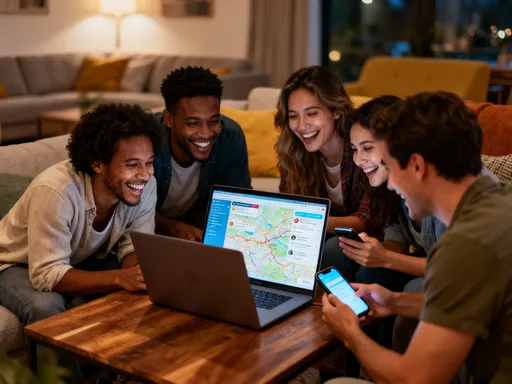
We also use location-based alerts. When my husband picks up the dry cleaning, I get a notification. When my daughter arrives at dance class, I see it on the map. It’s not about surveillance. It’s about reassurance. It’s about knowing we’re all okay, even when we’re apart.
One evening, my teenager used the local pharmacy app to order a pain reliever for my mom. I didn’t ask her to. She just saw the reminder I’d set and took care of it. When I found out, I nearly cried. Not because the pills were ordered—but because my daughter was stepping up. The tech didn’t raise her. But it gave her a way to show up.
These tools don’t replace conversation or connection. They support them. They help us stay in sync without constant texting. They reduce the mental load we so often carry silently. And they teach our kids that care isn’t just a feeling—it’s action, made easy.
Your Life, Simplified—One Tap at a Time
None of this is about becoming tech-savvy. It’s not about mastering every feature or chasing the latest app. It’s about using what you already have to live with more ease, more joy, and more room to breathe. The goal isn’t perfection. It’s progress. It’s waking up one morning and realizing you didn’t spend ten minutes searching for a receipt. Or that you didn’t forget an appointment. Or that your kid remembered to do something without being asked.
Technology, at its best, should feel invisible. It should work quietly in the background, handling the details so you can focus on what matters. And when it comes to local life apps, the magic isn’t in the code—it’s in the care. It’s in the way a simple reminder can prevent a missed moment. Or how a shared list can turn chaos into collaboration.
You don’t need to change your life. You just need to let your phone help. Start small. Pick one app. Let it learn your rhythm. Use it to remember one thing you’re tired of holding in your head. Then do it again. Over time, those small wins add up. Not to a perfectly organized life—but to a more peaceful one. A life where you’re not managing tasks, but living them. Where you’re not chasing calm, but finding it—in the quiet moments, the shared gestures, the simple tap of a screen.
Because you deserve that. You deserve to feel grounded. You deserve to be present. And sometimes, the most powerful tool for a better life isn’t a new habit, a new mindset, or a new planner. Sometimes, it’s already in your hand.