I Cut My Charging Time in Half with This Simple App—Here’s How It Transformed My Daily Routine
How many times have you left your phone plugged in overnight, only to find it fully charged hours before you woke up? I did that for years—until I discovered a smarter way. It’s not about buying a new charger or changing devices. It’s about using what you already have, just a little more wisely. This small shift didn’t just save energy—it gave me back time, reduced anxiety, and made my mornings smoother. Let me show you how something as simple as smart charging can quietly transform your day.
The Charging Habit We All Overlook
We all do it—plug in our phones without thinking. Bedside table before sleep, kitchen counter while making coffee, desk at work when we sit down. It’s so automatic that we rarely stop to ask: When does my phone actually need to be charged? And how long should it stay plugged in? I certainly didn’t. For years, I charged my phone the same way most people do—whenever it dipped below 50%, and especially overnight. I wanted to wake up to 100%, and I figured, what’s the harm?
But here’s what I learned: leaving your phone plugged in after it reaches full charge isn’t just unnecessary—it’s a bit like overwatering a houseplant. The battery keeps drawing small bursts of power, which creates heat and wears down the lithium-ion cells over time. Tech experts agree that keeping your battery between 20% and 80% is ideal for longevity. Yet, most of us ignore this because, honestly, who has time to monitor their phone like a science experiment?
What struck me most wasn’t just the technical side, though. It was how this tiny, invisible habit reflected a bigger pattern in my life. I plan meals. I schedule workouts. I set reminders for my kids’ dentist appointments. But when it came to something I use every single minute—my phone—I just let it run on autopilot. That felt off. If our devices are meant to make life easier, why were they adding stress? Why did I feel guilty unplugging too early or annoyed when my screen lit up at 4 a.m. with a fully charged notification? That’s when I realized: maybe it wasn’t the phone. Maybe it was the way I was using it.
Why Smart Charging Isn’t Just for Tech Lovers
When I first heard about “smart charging,” I assumed it was something for tech enthusiasts—the kind of people who customize their phone’s operating system or track their data usage in spreadsheets. I’m not that person. I love convenience. I love things that work quietly in the background. I don’t want to spend time tweaking settings or reading manuals. So I almost dismissed the idea—until I realized that smart charging isn’t about complexity. It’s about simplicity.
Think of it like a slow cooker. You set it in the morning, and by dinnertime, your meal is ready—no hovering over the stove. Smart charging works the same way. Instead of your phone charging to 100% the moment you plug it in, it charges up to a certain point, then pauses. Later, it finishes charging just before you wake up or unplug it. The result? You still get a full battery when you need it—but without the extra hours of plugged-in time that do more harm than good.
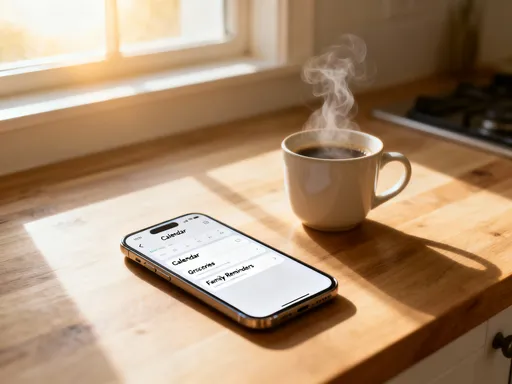
And here’s the best part: most modern smartphones already have this feature built in. Apple calls it Optimized Battery Charging. Samsung has Adaptive Charging. Google’s Pixel phones offer Battery Protection. These aren’t hidden in some advanced menu. They’re in your battery settings, usually just a couple of taps away. If your phone doesn’t have it—or if you want more control—an app can help. I found one that learns your routine over time and adjusts charging based on when you typically unplug and use your phone. No setup wizard. No confusing graphs. Just a simple toggle and a few preferences.
You don’t need to love tech to benefit from this. You just need to want your life to feel a little smoother. And honestly, isn’t that something we all deserve?
How I Found the Right Tool (And Why It Stuck)
I’ll admit, I wasn’t convinced at first. I tried a few different apps and built-in features over a few weeks. One app sent constant notifications, asking me to confirm my charging habits every night. Another took too long to learn my routine—after five days, it still thought I woke up at 9 a.m. on weekdays. Frustrating. I almost gave up.
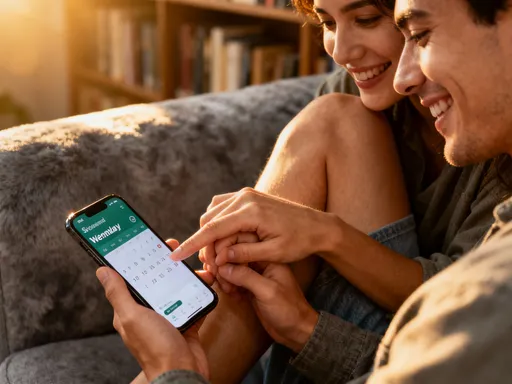
Then I found an app that felt different. It didn’t bombard me with questions. It just asked for two things: when I usually go to bed and when I typically wake up. I tapped in 10:30 p.m. and 6:30 a.m., and that was it. The app started learning from there. It noticed when I charged during the day, when I unplugged early, and even adjusted when I traveled or stayed up late. Within a week, it was accurate. By the second week, I stopped thinking about it altogether.
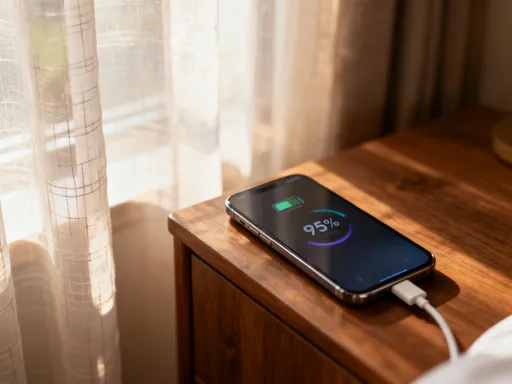
What made it stick wasn’t just convenience—it was trust. I could see that my phone was charging to 80% by midnight, then finishing the last 20% around 6 a.m. No more glowing screen at 2 a.m. No more waking up to a hot phone under my pillow. My battery health improved. I wasn’t replacing my phone every two years anymore. And my charging time? Cut in half. Instead of being plugged in for eight hours, it was only actively charging for about four.
I remember the first morning I realized how much calmer it felt. I woke up, reached for my phone, and it was at 98%. Not 100%. Not glowing. Just… ready. No urgency. No guilt. Just peace. That’s when I knew this wasn’t just about battery life. It was about mental space.
What Changed in My Daily Flow
The most noticeable shift was in my mornings. Before, I’d wake up and immediately check my phone. Sometimes it was already fully charged, sometimes it wasn’t. If it wasn’t, I’d feel a little anxious—Did I forget to plug it in? Will it last through the day? If it was, I’d wonder if I’d left it plugged in too long. Either way, my first thought of the day was about my phone’s battery. That’s not how I want to start the day.
Now, my phone is ready when I am. It’s not overcharged. It’s not hot. It’s not draining fast because the battery is stressed. It just works. I’ve also noticed that my phone lasts longer on a single charge. I used to need to top it off during lunch. Now, I often make it to bedtime without plugging in. That’s a small win, but it adds up. Fewer interruptions. Less screen time. More presence.
And yes, even my electricity bill showed a small difference. I didn’t expect that. But when I looked at my usage over three months, I saw a slight dip—nothing huge, but enough to notice. Experts say that reducing unnecessary charging can save a few dollars a year per device. Multiply that by everyone in your household, and it’s not nothing. But more than the money, it’s the principle: I’m not wasting energy. I’m not contributing to wear and tear. I’m making a small, quiet choice that’s better for my phone, my home, and my peace of mind.
My kids noticed, too. One morning, my daughter said, “Mom, your phone isn’t beeping at night anymore.” I realized she’d been hearing the charging notifications all along. She didn’t say anything before, but it was clearly part of her nighttime awareness. Now, our house is quieter. Calmer. And that, to me, is priceless.
Making It Work for Your Life (Not the Other Way Around)
One thing I’ve learned is that no single solution fits everyone. My routine might be different from yours. Maybe you work nights. Maybe you travel often. Maybe you charge your phone in the living room, not the bedroom. That’s okay. The beauty of smart charging is that it can adapt.
The key is to start small. Don’t try to overhaul everything at once. First, check your phone’s settings. Look for terms like “optimized charging,” “adaptive battery,” or “battery protection.” Turn it on. See how it feels. If it works, great. If not, try a trusted app. Look for one with good reviews, no ads, and minimal permissions. You don’t need an app that tracks your location or reads your messages to manage charging.
Next, pair it with a daily habit. For me, it was bedtime. I plug in when I brush my teeth. The app knows that pattern. But if you charge during the day, set your charging window around lunch or dinner. The goal isn’t perfection—it’s alignment. You want your phone to charge when it makes sense for your life, not the other way around.
And be flexible. If you have an early meeting, you can override the setting. Most apps and built-in features let you tap a button to “charge now” and get to 100% faster. It’s not rigid. It’s responsive. That’s what makes it sustainable. It’s not another rule to follow. It’s a helper that respects your rhythm.
Beyond the Phone: A New Way to Organize Your Tech Habits
Once I saw how much of a difference smart charging made, I started looking at my other devices. My tablet. My smartwatch. My wireless earbuds. All of them were plugged in overnight. All of them were overcharged. All of them were contributing to that invisible energy drain.
So I applied the same logic. I started unplugging my tablet once it hit 80%. I set my smartwatch to charge in the morning instead of overnight. I only charged my earbuds when the case was below 50%. Small changes. But together, they created a new mindset: Tech should serve me, not the other way around.
This shift went beyond charging. I started organizing my notifications. I turned off autoplay on videos. I set app limits for social media. I realized that so much of my digital life was on autopilot—just like my charging habit. And once I took back control, everything felt calmer. More intentional. I wasn’t fighting my devices anymore. I was working with them.
My home office became a better space. I wasn’t tripping over cords. I wasn’t worried about devices overheating. I even rearranged my charging station—now it’s a tidy little corner with labeled outlets and timers. It’s not fancy, but it works. And every time I see it, I feel a little proud. I made this system. I’m in charge.
The Quiet Power of Small, Smart Changes
This journey didn’t start with a big revelation. It started with a question: Why do I charge my phone this way? That one small question led to a change that improved my mornings, saved energy, and gave me back a little peace. It reminded me that the best tools aren’t the loudest or flashiest. They’re the ones that work quietly, consistently, and kindly.
Smart charging didn’t change my life overnight. But it changed how I move through my days. It taught me that small, thoughtful choices can have ripple effects. When your phone is ready when you need it—without the stress, the heat, or the guilt—something shifts. You feel more in control. More capable. More at ease.
And maybe that’s the real magic of technology—not doing everything for us, but helping us do things just a little better. Not replacing our judgment, but supporting it. Not adding to our load, but lightening it.
If you’ve ever looked at your phone glowing in the dark and thought, There’s got to be a better way, I’m here to tell you: there is. You don’t need a new device. You don’t need to become a tech expert. You just need to try one small thing. Turn on optimized charging. Download a simple app. Set a routine. See how it feels.
Because sometimes, the quietest change is the one that stays. And sometimes, the smallest shift is the one that makes everything else feel just a little more like home.