Atrial Fibrillation Ablation Recurrence Rates Track Pulmonary Vein Reconnection Patterns
For patients with atrial fibrillation (AF), catheter ablation has become a mainstay of rhythm control. Yet the procedure's Achilles' heel is well known: within a year, 20 to 50 percent of patients experience recurrence of the arrhythmia. The dominant reason, confirmed by decades of electrophysiology studies, is pulmonary vein reconnection—the recovery of electrical conduction across ablation lesions that were meant to permanently isolate the veins. Understanding why reconnection happens, how it is detected, and what can be done to prevent it is central to improving outcomes.
Why Half of Ablation Patients See Recurrence Within a Year
Recurrence rates after AF ablation vary by study design, follow-up duration, and patient population, but the pattern is consistent. Roughly one in three to one in two patients will have documented AF recurrence within 12 months of a single procedure. These figures come from large registries and randomized trials, and they have not substantially improved over the past decade despite advances in technology. For example, the ESC-EHRA Atrial Fibrillation Ablation Long-Term Registry, which included over 3,600 patients across European centers, reported a 12-month recurrence rate of approximately 40 percent for paroxysmal AF and over 50 percent for persistent AF. Similarly, a meta-analysis of 19 studies published in 2020 found that single-procedure freedom from AF at one year ranged from 50 to 70 percent depending on the definition of success and monitoring intensity.
The primary mechanism underlying recurrence is not the emergence of new triggers but the recovery of conduction across previously ablated tissue. Pulmonary vein reconnection occurs at discrete gaps in the lesion line—areas where ablation did not create a full-thickness, transmural scar. When those gaps allow electrical signals to re-enter the left atrium, AF can restart. This is not a rare event: in repeat ablation procedures, over 80 percent of patients have at least one reconnected pulmonary vein, and many have multiple reconnected veins.
Electrophysiologists face a reproducibility challenge. Even with careful technique, creating contiguous, durable lesions around the four pulmonary veins is difficult. Tissue thickness varies, catheter contact can be inconsistent, and anatomical variations abound. The result is that a procedure that looks successful on the day often fails weeks or months later. A study using continuous monitoring with implantable loop recorders found that the median time to recurrence after ablation is around 3 to 6 months, suggesting that many reconnections occur relatively early.
Understanding reconnection is not merely academic. It drives clinical decisions about whether to repeat ablation, how to target lesions, and what technologies to use. It also shapes patient expectations: single-procedure success may be an unrealistic target for many. The concept of "ablation as a process" rather than a one-time fix is gaining traction, with some centers routinely planning for a second procedure if needed.
Pulmonary Vein Isolation: The Procedure That Rediscovers Itself
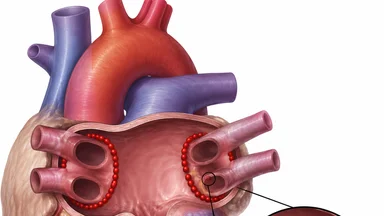
Pulmonary vein isolation (PVI) is the cornerstone of AF ablation. The goal is to electrically isolate the myocardial sleeves that extend from the left atrium into the pulmonary veins, because these sleeves often harbor ectopic foci that trigger AF. Using either radiofrequency energy delivered point-by-point or a cryoballoon that freezes tissue circumferentially, the operator creates a ring of lesions around each vein ostium.
Reconnection happens when those lesion rings are incomplete. Gaps can arise from inadequate energy delivery, tissue edema that temporarily masks conduction block, or catheter instability. Sometimes a gap is present immediately but is not detected because of acute tissue swelling; when the swelling subsides days later, conduction resumes. This phenomenon, known as "acute reconnection," is well documented. In a study using high-density mapping immediately after PVI, up to 30 percent of patients had at least one gap that was not apparent on standard pacing maneuvers.
Conduction recovery can occur within weeks or months. Repeat electrophysiology studies in patients with recurrence consistently show that reconnected veins are the rule, not the exception. In some series, over 80 percent of patients with recurrence have at least one reconnected pulmonary vein. The left atrial posterior wall is a particularly common site for reconnection. This region has variable thickness and is adjacent to the esophagus, which limits energy delivery. Operators must balance efficacy against the risk of atrio-esophageal fistula, a rare but catastrophic complication. The reported incidence of atrio-esophageal fistula is around 0.02 to 0.1 percent, but when it occurs, mortality is high—estimated at 50 to 80 percent. This risk constrains the power and duration of ablation in the posterior wall, potentially leaving gaps.
Another challenge is the variable anatomy of the pulmonary veins. Some patients have a common ostium on the left side, making circumferential isolation more complex. Others have accessory veins (e.g., a right middle pulmonary vein) that can be missed if not identified on pre-procedural imaging. Failure to isolate all veins is a well-recognized cause of recurrence.
Mapping Reconnection: What the Electrophysiology Lab Reveals
When a patient returns with recurrent AF, the electrophysiology lab becomes a detective's workshop. High-density mapping catheters create detailed voltage maps of the left atrium, identifying low-voltage scar from the prior ablation and areas where normal voltage persists—indicating gaps. Modern mapping systems can acquire thousands of points in minutes, allowing precise localization of reconnection sites.
Vein-by-vein analysis guides the re-ablation strategy. The right superior pulmonary vein is often the first to reconnect, possibly because of its anatomical relationship with the crista terminalis. The left inferior vein may be more prone to gaps due to catheter stability challenges. Each vein requires careful assessment, and some operators advocate for a systematic protocol: pacing from each vein to check for exit block, mapping the antral region, and testing with adenosine.
Adenosine testing is a technique used to unmask dormant conduction. After an initial PVI, adenosine is injected intravenously; it hyperpolarizes the myocardial cells transiently, and if there is any surviving tissue at the lesion line, conduction can briefly reappear. The ADVICE trial showed that adenosine-guided additional ablation reduced reconnection rates compared with standard PVI alone. In that trial, 69 percent of patients in the adenosine-guided group were free from AF at one year versus 55 percent in the control group—a modest but significant improvement.
Yet even with adenosine, some gaps remain hidden. Late reconnection—occurring months after ablation—may involve different biology, such as slow recovery of tissue conductivity or changes in gap geometry over time. This is why some centers advocate for a waiting period during the procedure to allow edema to resolve before final testing. A 20-minute wait after PVI has been shown to reveal dormant conduction in an additional 10 to 15 percent of patients, allowing operators to target those gaps before concluding the procedure.
Newer mapping technologies, such as omnipolar mapping and local impedance monitoring, aim to improve gap detection. However, no technique is perfect, and the search for a reliable intraprocedural endpoint continues.
Clinical Trials That Quantified the Gap
Several landmark trials have shaped understanding of reconnection. The STAR AF II trial, published in 2015, compared PVI alone with PVI plus additional left atrial substrate ablation in patients with persistent AF. The result was striking: additional ablation did not improve outcomes. Recurrence rates were similar across groups, suggesting that the key variable was not the extent of ablation but the durability of PVI. This trial included 589 patients across multiple centers and showed that freedom from AF at 18 months was around 50 percent in all three arms—a sobering reminder that PVI quality trumps ablation quantity.
The ADVICE trial, already mentioned, randomized patients to adenosine-guided versus conventional PVI. At one year, the adenosine-guided group had significantly lower rates of AF recurrence (69 percent versus 55 percent freedom from AF). The trial directly linked dormant conduction—a proxy for reconnection—to clinical failure. However, critics note that the absolute difference was only 14 percentage points, and even in the adenosine-guided group, nearly one-third of patients had recurrence, highlighting that dormant conduction is not the only mechanism.
Meta-analyses have confirmed that reconnection is the primary failure mode. A 2022 systematic review of 48 studies found that patients with documented reconnection had a 3-fold higher risk of recurrence compared with those with durable isolation. The relationship held across paroxysmal and persistent AF populations. Another meta-analysis of 15 studies on repeat ablation found that reconnecting the previously isolated veins eliminated AF in 70 to 80 percent of patients at one year, further supporting the causal role of reconnection.
Durable isolation, when achieved, is associated with excellent outcomes. Studies using implantable loop recorders for continuous monitoring show that patients with confirmed complete PVI at three months have very low rates of AF recurrence beyond that point. For example, a study of 200 patients with paroxysmal AF who underwent PVI and had documented isolation at three months via remapping showed a 12-month recurrence rate of only 10 percent. The challenge is reliably achieving that durability in all four veins.
Not all trials focus on reconnection; some explore alternative energy sources. The FIRE AND ICE trial compared radiofrequency ablation and cryoballoon ablation and found similar efficacy and safety profiles. Reconnection patterns differed: cryoballoon lesions were more circumferential but sometimes left gaps at the carina between veins, while radiofrequency lesions were more targeted but vulnerable to gaps from catheter instability. This suggests that the optimal energy source may depend on individual anatomy.
Patient Factors That Modify Reconnection Risk
Not all patients face the same risk of reconnection. Persistent AF, as opposed to paroxysmal, is associated with higher recurrence rates after a single procedure. This may reflect more extensive atrial remodeling, larger left atrial size, or a higher burden of non-pulmonary-vein triggers. In persistent AF, the atria are often more fibrotic, which can make lesion creation less predictable. Fibrotic tissue conducts electricity differently and may heal with gaps more readily.
Left atrial size itself is a strong predictor. Studies show that patients with a left atrial diameter greater than 40 mm have roughly double the risk of recurrence compared with those with smaller atria. Enlarged atria have thinner walls in some regions, making transmural lesion creation more difficult. The left atrial appendage is another site of non-pulmonary-vein triggers, and some operators advocate for appendage isolation in patients with persistent AF, though this carries a risk of thrombus formation.
Obesity and sleep apnea worsen outcomes through multiple mechanisms. Obesity increases intra-abdominal pressure, which elevates left atrial pressure and stretches the atrial wall, potentially widening gaps. Sleep apnea causes intermittent hypoxia and sympathetic surges that promote AF. Weight loss and continuous positive airway pressure therapy have been shown to reduce recurrence. The LEGACY trial demonstrated that patients with AF who lost at least 10 percent of their body weight had a 6-fold reduction in arrhythmia recurrence after ablation compared with those who lost less weight.
Younger patients, paradoxically, may show more robust lesion formation. Their atrial tissue is less fibrotic and may respond more consistently to ablation. However, they also have longer life expectancy, meaning that late reconnection remains a concern. In a study of patients under 45 years old, the recurrence rate at 5 years was around 30 percent, but many of those recurrences were late—beyond 2 years—suggesting that durable isolation may wane over time even in younger patients.
Genetic factors are also emerging. Variants in genes encoding ion channels or extracellular matrix proteins may influence scar formation and reconnection risk. For example, a polymorphism in the MMP-9 gene has been associated with a higher likelihood of pulmonary vein reconnection, though this is not yet ready for clinical use.
Practical Takeaways for Clinicians and Patients
For patients undergoing AF ablation, understanding that recurrence is common—and not a personal failure—is important. Redo ablation is a standard approach that effectively targets reconnection gaps. In experienced centers, repeat procedures achieve freedom from AF in 70 to 80 percent of patients at one year. However, the success rate of a second procedure is still not 100 percent; some patients may require a third procedure.
Single-procedure success may be an unrealistic target for many. This is not a limitation of skill but of biology. Lesion durability is inherently variable, and the goal should be to minimize the number of procedures needed, not to guarantee one-and-done success. Shared decision-making should include a discussion of the expected recurrence risk based on patient-specific factors.
Lifestyle modification supports rhythm control. Weight loss, exercise, and treatment of sleep apnea can reduce AF burden and improve the substrate. These interventions complement ablation, not replace it. The CARDIO-FIT study showed that cardiorespiratory fitness was inversely related to AF recurrence after ablation, with a 20 percent reduction in recurrence for every 1 metabolic equivalent increase in fitness.
Clinicians should also consider active surveillance in some cases—not every recurrence requires immediate redo ablation. Asymptomatic or short-lived episodes may be managed with rate control alone. The decision depends on symptom burden, patient preference, and the pattern of recurrence. For patients with infrequent, self-terminating episodes, a trial of antiarrhythmic drugs may be reasonable before proceeding to repeat ablation.
Another practical consideration is the use of antiarrhythmic drugs during the blanking period (the first 3 months after ablation). Some clinicians prescribe a short course of amiodarone or flecainide to suppress early recurrences, which may reflect transient inflammation rather than true reconnection. However, this practice is not uniformly supported by evidence, and the decision should be individualized.
Future Directions: Durable Lesions and Personalized Ablation
Pulsed-field ablation (PFA) is the most promising new technology for improving lesion durability. PFA uses high-voltage electrical pulses to create cell death in myocardial tissue while sparing surrounding structures such as the esophagus and phrenic nerve. Early studies show PFA can create contiguous lesions with less variability, and reconnection rates appear lower than with thermal ablation in initial reports. The IMPULSE and PEFCAT trials reported 12-month freedom from AF in 80 to 85 percent of patients with paroxysmal AF, and the PULSED AF trial showed a 12-month success rate of around 80 percent in a mixed population. However, long-term data are still limited, and the optimal PFA waveform and catheter design are still being refined.
Contact-force sensing catheters, already in widespread use, have improved lesion consistency. By measuring the force applied to the tissue, operators can adjust energy delivery. Studies show that contact force below 10 grams is associated with higher reconnection rates, while force above 20 grams increases safety risks such as cardiac perforation. The TOCCATA and EFFICAS I trials demonstrated that contact force-guided ablation reduced reconnection rates compared with conventional ablation.
Artificial intelligence is being applied to ablation planning. Machine learning algorithms can predict optimal lesion locations based on atrial geometry and wall thickness from pre-procedural imaging. Prospective studies are needed to determine whether AI-guided ablation reduces gaps compared with operator judgment alone. One small study used an AI system to recommend ablation points and found that the AI-guided group had shorter procedure times and fewer gaps on remapping, but the study was not powered for clinical outcomes.
Long-term monitoring, such as with implantable loop recorders, is essential to assess durability. As screening technologies improve, we may identify patients with silent reconnection before clinical recurrence occurs. The ultimate goal is an ablation strategy that delivers durable isolation in a single procedure for the majority of patients. Some researchers are exploring the use of biodegradable scaffolds seeded with stem cells to promote tissue regeneration, but this is still preclinical.
Another avenue is the use of high-resolution imaging to guide ablation in real time. Intracardiac echocardiography and MRI-guided ablation are being studied, with the hope of visualizing lesion formation and detecting gaps immediately. MRI-guided ablation, in particular, has shown promise in small studies, but the logistics and cost remain barriers to widespread adoption.
In summary, pulmonary vein reconnection remains the dominant mechanism of AF ablation failure. Advances in mapping, energy delivery, and patient selection are gradually improving outcomes, but the problem is unlikely to be solved entirely. For now, clinicians and patients should approach ablation with realistic expectations, understanding that recurrence is common but manageable with repeat procedures and lifestyle optimization.
This article is for informational purposes only and does not constitute medical advice. Patients should consult their healthcare provider for personalized recommendations.