Psychosis Delays Treatment by Two Years for Farmers in Rural Western Kenya
For nearly two years, a farmer in his mid-30s from a village in Kisumu county heard voices that no one else could hear. His family attributed the whispers to ancestral spirits or a curse from a neighbor. It was only after he threatened a relative with a machete that they brought him to a clinic. The diagnosis: psychosis. The delay: roughly 22 months—not unusual for this part of western Kenya.
Psychosis—a condition marked by hallucinations, delusions, and disorganized thinking—often goes untreated for years in low- and middle-income countries. A meta-analysis by the World Health Organization (WHO) found that the average duration of untreated psychosis in such settings is about two years, compared with roughly six months in high-income countries. For farmers in rural western Kenya, the gap between first symptoms and care can stretch even longer, shaped by a tangle of stigma, scarce psychiatric services, and the daily pressures of subsistence agriculture.
This article traces the journey of one farmer and examines why treatment delays persist, what evidence exists for early intervention, and how a pilot program in Kisumu county is trying to bring care closer to the fields.
Two Years Lost: The Gap Between First Symptoms and Treatment
The farmer, whom I will call Samuel (not his real name), first began hearing voices in early 2021. He told his wife that a neighbor was speaking to him through the radio. Initially, she dismissed it as exhaustion from long days of planting maize and beans. But the voices grew louder. Samuel stopped tending his crops and spent hours staring at the horizon. He sometimes refused to eat, saying the food was poisoned.
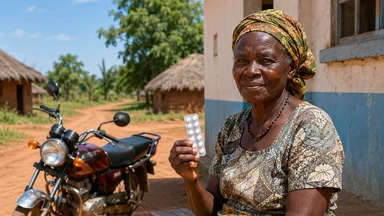
For 18 months, the family consulted traditional healers, who performed cleansing rituals and sacrificed a goat. Each ceremony cost roughly US$ 5–10—a significant sum for a household that earns perhaps US$ 2–3 per day during harvest. The voices did not stop. Samuel's aggression escalated. He accused his wife of infidelity and broke furniture. In mid-2023, after he lunged at his brother with a machete, the family pooled funds for transport to a district hospital.
According to Dr. Grace Otieno, a psychiatrist at the regional referral hospital in Kisumu, Samuel's story is typical. “We see patients who have been symptomatic for one to three years before they reach us,” she said. “By then, relationships are broken, livelihoods are lost, and the person is often more difficult to treat.” A 2022 survey of mental health facilities in western Kenya found that the median duration of untreated psychosis exceeded 24 months, with only about 15% of patients receiving care within the first year.
The consequences of delay are severe. Untreated psychosis can lead to chronic disability, homelessness, and premature death. A study in rural Ethiopia found that people with schizophrenia had a mortality rate three times higher than the general population, largely due to suicide and untreated physical illness. In Kenya, where psychiatric beds are scarce, many patients end up in police cells or on the streets.
Why Rural Communities Wait: Stigma, Cost, and Distance
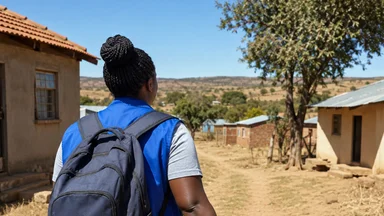
Stigma is the most formidable barrier. In many Luo and Luhya communities in western Kenya, mental illness is seen as a punishment for wrongdoing or a result of witchcraft. Families may hide a relative with psychosis to avoid shame, fearing that disclosure could ruin marriage prospects or invite gossip. “People say, ‘That family has a curse,’” explained Mary Achieng, a community health worker in Kisumu county. “So they keep the person at home.”
Cost compounds stigma. The nearest psychiatrist is often 50 kilometers or more away. A round-trip bus fare can cost US$ 3–5, plus the cost of food and lost wages for a day or more. For a farmer earning less than US$ 2 per day, that is prohibitive. Even when the clinic is reached, medication—typically an antipsychotic like haloperidol or olanzapine—may be out of stock or require payment. The government's mental health budget remains below 1% of the total health budget, as of 2024.
Distance is a physical barrier. Western Kenya has fewer than ten psychiatrists for a population of roughly 15 million. Most are based in Kisumu city or at the Mathari National Teaching and Referral Hospital in Nairobi. Primary care clinics lack training and medications. A 2023 study in BMC Psychiatry found that only 12% of health centers in the region had any staff trained to manage severe mental illness.
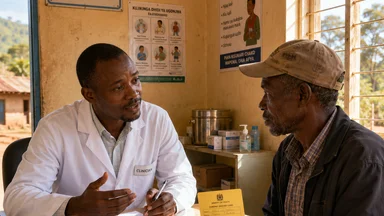
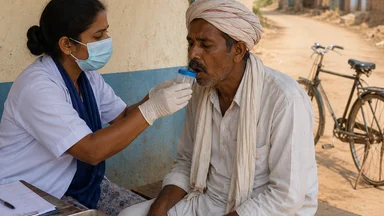
For Samuel, the journey to diagnosis was a family ordeal. His brother borrowed money from a savings group to pay for transport. At the clinic, a clinical officer—not a psychiatrist—made the initial assessment using a checklist from the WHO's mental health Gap Action Programme (mhGAP). Samuel was prescribed haloperidol and referred to the Kisumu hospital. But the family could not afford the follow-up visit for three months.
The Evidence on Early Intervention in Psychosis
Early treatment of psychosis is associated with better outcomes, including faster symptom remission, lower relapse rates, and improved social functioning. A 2021 meta-analysis of 30 studies found that each month of untreated psychosis reduced the likelihood of remission by about 5%. In high-income countries, early intervention services have become standard, offering a combination of antipsychotic medication, cognitive-behavioral therapy, and family support.
In low-resource settings, the evidence base is thinner but growing. The WHO's mhGAP guidelines recommend that antipsychotic medications be started as soon as psychosis is suspected, alongside psychosocial support. A randomized trial in India found that a collaborative care model—where primary care doctors were supported by a psychiatrist via phone—reduced the duration of untreated psychosis by nearly six months compared with usual care.
Antipsychotics reduce relapse risk by roughly 40% when taken consistently, according to a Cochrane review. But adherence is a challenge. Side effects such as weight gain, sedation, and extrapyramidal symptoms often lead patients to stop medication. In one Kenyan study, only about half of patients with schizophrenia were still taking their medication after one year.
Psychosocial interventions—including family psychoeducation and vocational support—can improve adherence and outcomes. A 2020 systematic review found that family interventions reduced relapse rates by about 20% in low- and middle-income countries. But such programs are rare in rural Kenya, where even basic counseling is scarce.
However, the benefits of early intervention must be weighed against potential harms. In some cases, rapid initiation of antipsychotics without adequate monitoring can lead to severe side effects, such as neuroleptic malignant syndrome, which is life-threatening. In resource-poor settings, where access to emergency care is limited, the risk-benefit calculus may shift. A 2019 study in Nigeria reported that about 2–5% of patients started on high-potency antipsychotics developed acute dystonia, which can be distressing and lead to treatment discontinuation. Thus, while early treatment is generally beneficial, it must be accompanied by careful dose titration and patient education—a challenge when follow-up is irregular.
Another counter-argument is that the focus on early pharmacological intervention may overshadow the need for community-based psychosocial support. Some mental health advocates in Kenya argue that investing in family therapy and livelihood support could yield greater long-term gains than simply pushing medication. For example, a pilot in Uganda found that a combination of medication and microfinance loans for small businesses improved social functioning more than medication alone. Yet, such integrated programs are rare and require cross-sector collaboration.
A Pilot Program Bringing Care to the Farm
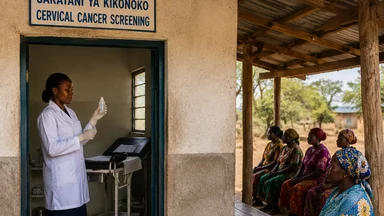
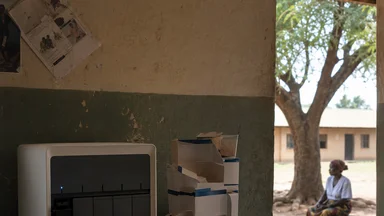
In 2023, a non-governmental organization (NGO) called Afya ya Akili (Kiswahili for “mental health”) launched a pilot program in five dispensaries in Kisumu county. The program trains nurses and clinical officers to use WHO mhGAP guidelines to assess and manage psychosis, depression, and epilepsy. They receive monthly supervision from a visiting psychiatrist and can refer complex cases to the regional hospital.
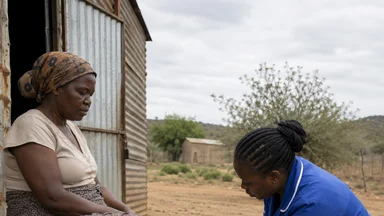
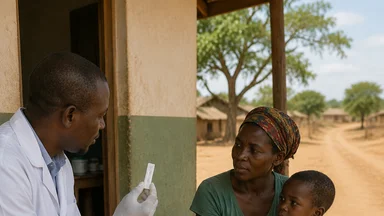
One of the program's key features is home visits. Community health workers—who are local residents with basic training—visit patients monthly to check on medication adherence, monitor side effects, and provide support to families. They also help with transport logistics, sometimes accompanying patients to appointments. “When a health worker comes to your home, it reduces the shame,” said Achieng, who works in the program. “The family sees that someone cares.”
Early results are promising. In the first year, the dropout rate—patients who stopped coming to the clinic—fell from roughly 70% to 40%. The average time to first follow-up visit dropped from four months to six weeks. Samuel was enrolled in the program after his initial visit. A nurse visited his home monthly, and his wife received education about psychosis. “She learned that the voices were a sickness, not a curse,” Samuel said (through a translator).
But the program faces challenges. Funding is precarious, relying on donor grants that may not be renewed. The five dispensaries serve only a fraction of the county's population. And the nurses, while enthusiastic, are overburdened. “We are treating mental health alongside malaria and pneumonia,” one nurse said. “Sometimes we don't have time to sit and listen.”
Moreover, the program's reliance on community health workers raises questions about sustainability. These workers are often volunteers or receive a small stipend, and turnover is high. A 2022 evaluation of a similar program in Malawi found that about 30% of community health workers left within the first year due to burnout or lack of career progression. Without formal integration into the health system, such initiatives risk collapse when donor funding ends.
Another limitation is the narrow focus on psychosis. Many patients present with co-morbid conditions, such as substance use disorders or post-traumatic stress disorder, which the mhGAP guidelines cover only superficially. A 2024 study in Global Mental Health noted that in conflict-affected regions of Kenya, rates of PTSD among people with psychosis are as high as 40%, yet few receive trauma-focused therapy. The pilot program currently lacks the capacity to address these overlapping needs.
What Patients and Families Say About Recovery
After four months of treatment, Samuel's voices diminished to a whisper. He began working in his fields again—planting maize, weeding, and harvesting. His wife, who had feared for her safety, described a sense of relief. “He is not the same man who was angry all the time,” she said. “He helps with the children now.”
Samuel's story is not a complete triumph. He still faces stigma from neighbors, who whisper when he walks to the market. His medication causes drowsiness, and he sometimes skips doses. “I feel better, but I am not normal,” he said. He worries that his children will be teased at school because their father is “mad.”
Other patients in the program report similar mixed outcomes. A 35-year-old woman who had delusions that her husband was poisoning her resumed cooking for the family after three months of treatment. But her husband remains skeptical, saying, “She still talks to herself sometimes.” A young man who dropped out of school due to psychosis went back to farming, but he struggles with the side effects of medication.
Qualitative research from the program suggests that families value the home visits and the reduction in aggression, but many still hope for a complete cure—a concept that mental health workers try to gently reframe as recovery, not cure. “We tell them that this is like diabetes,” said Dr. Otieno. “You manage it, you live with it, but it doesn't have to run your life.”
Yet, the concept of recovery itself is contested. For some patients, recovery means symptom remission; for others, it means being able to work and participate in community life. A 2021 study in Social Psychiatry and Psychiatric Epidemiology found that in rural Kenya, patients often defined recovery in terms of social roles—farming, parenting, attending church—rather than the absence of symptoms. This mismatch between clinical and personal definitions of recovery can lead to disappointment if patients expect a complete return to their pre-morbid state.
Another challenge is the intergenerational impact. Children of parents with untreated psychosis often face neglect, stigma, and interrupted education. A 2023 report by the Kenya Institute for Public Policy Research estimated that about 60% of children of parents with severe mental illness in rural areas drop out of primary school, compared with 30% of their peers. Addressing psychosis in parents may therefore have downstream benefits for child development, but this link is rarely measured in program evaluations.
Policy Levers to Cut the Delay Further
Kenya's 2020 Mental Health Act provides a legal framework for integrating mental health into primary care and task-sharing with non-specialist health workers. But implementation has been slow. As of 2025, fewer than half of counties had appointed a mental health coordinator, and budgets remain inadequate.
Several policy changes could reduce treatment delays. First, integrating mental health into primary care—already part of the government's plan—would allow patients to be diagnosed at the local clinic rather than traveling to a hospital. The WHO's mhGAP is designed for this, but training and supervision must be sustained. Second, subsidizing transport for follow-up visits could improve adherence. In Ethiopia, a program that provided bus fare for patients with severe mental illness increased follow-up rates from 30% to 60%.
Third, community awareness campaigns can reduce stigma. In Ghana, a radio drama about mental illness improved attitudes and increased help-seeking. In Kenya, similar efforts are underway, but they are small-scale and often donor-driven. Fourth, telepsychiatry—using mobile phones or video calls—could extend specialist reach. A pilot in western Kenya found that a weekly phone consultation between a psychiatrist and a primary care nurse improved diagnostic accuracy and reduced unnecessary referrals.
However, policy interventions must be carefully designed to avoid unintended consequences. For example, subsidizing transport may create dependency or be captured by wealthier families. A 2020 study in Health Policy and Planning warned that cash transfer programs for health in low-income settings can exacerbate inequalities if not targeted to the poorest. Similarly, telepsychiatry requires reliable electricity and network coverage, which are patchy in rural areas. A 2024 survey in Kisumu county found that about 40% of health facilities had no internet access, and 20% had no consistent power supply.
Another trade-off is between scale and quality. Task-sharing allows more patients to be seen, but non-specialists may miss complex cases or prescribe incorrectly. A 2022 meta-analysis in The Lancet Psychiatry found that while task-sharing improved access, the quality of care—measured by diagnostic accuracy and adherence to guidelines—was often lower than specialist care. This suggests that task-sharing should be accompanied by robust supervision and referral pathways, which require investment.
Finally, the political economy of mental health funding cannot be ignored. In Kenya, mental health receives less than 1% of the health budget, while HIV/AIDS and malaria receive substantially more. This reflects historical priorities and donor influence. Advocacy groups argue that mental health should be included in universal health coverage packages, but this requires reallocating resources from other areas—a politically difficult decision. As one official put it, “We cannot do everything at once.”
The task-sharing model piloted by Afya ya Akili offers a path forward, but it is not a panacea. Without systemic support—including reliable drug supply, transport subsidies, and destigmatization campaigns—delays will persist. For Samuel and thousands like him, the wait for treatment is not just a clinical problem; it is a measure of how much society values those who suffer in silence.
Disclaimer: This article is for informational purposes only and does not constitute personalized medical advice. Individuals experiencing symptoms of psychosis should consult a qualified healthcare professional.