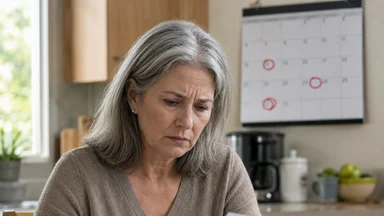
Type 2 Diabetes Remission Protocols Sit Unused in Rural Kenyan Clinics
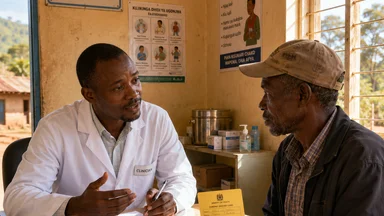
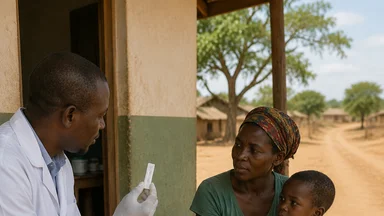
In Kisumu County Referral Hospital's outpatient diabetes clinic, Dr. Faith Atieno sees more than 300 patients each month. Most are on metformin; many have added insulin as their disease progressed. About a dozen patients in the past year have asked about the possibility of remission—stopping medication and keeping blood sugar normal. Atieno has read the studies. She knows that the DIRECT trial, published in The Lancet in 2018, showed that a low-calorie liquid diet put 46% of participants into remission at one year. She also knows she cannot offer it.
"Remission sounds like a luxury we can't afford," she told me during a visit in early 2026. "We don't have dietitians assigned to diabetes. We don't have the formula. And most of our patients would struggle to afford the cost of the shakes."
Her experience is not unique. Across rural Kenya, the gap between what the evidence says about reversing type 2 diabetes and what clinicians actually do is wide—and growing. While high-income countries like the United Kingdom have rolled out national programmes that provide patients with soups, shakes, and dietitian support for 12 weeks, most county health facilities in Kenya have no structured dietary protocol for diabetes at all.
Remission Protocols Exist – Kenyan Rural Clinics Don't Use Them
The science of diabetes remission has matured considerably over the past decade. The DIRECT trial, led by researchers at Newcastle University and the University of Glasgow, demonstrated that a structured, low-calorie diet—typically 800–850 calories per day from liquid meal replacements—could achieve sustained remission of type 2 diabetes. At two years, 36% of participants in the intervention group remained in remission, with average weight loss of over 10 kilograms. The key mechanism is reduction of fat in the pancreas and liver, which restores normal insulin secretion and sensitivity.
Building on this evidence, the UK's National Health Service launched the NHS Low-Calorie Diet Programme in 2020, initially targeting patients with type 2 diabetes diagnosed within the last six years. The programme provides 12 weeks of total diet replacement (soups, shakes, and bars) along with dietitian-led behavioural support. Early evaluations showed that around a third of participants achieved remission at 12 months, and the programme has since expanded across England.
In Kenya, the Ministry of Health's Clinical Guidelines for Management of Diabetes Mellitus (2022 edition) mentions remission only in passing. The guidelines note that bariatric surgery can induce remission in selected patients, but offer no protocol for dietary remission. There is no mention of low-calorie liquid diets, no referral pathway for nutritional therapy, and no budget line for meal replacements. As a result, rural clinics—which see the majority of Kenya's diabetes patients—simply do not prescribe structured remission diets.
The World Health Organization estimates that Kenya has a diabetes prevalence of roughly 3–4% among adults, translating to nearly 1.5 million people. Type 2 diabetes accounts for more than 90% of those cases. Most of these patients are managed at primary health centres and county hospitals, where clinicians have limited time and resources. "We are fighting fires every day," Atieno said. "We diagnose, we prescribe metformin, we manage complications. Remission is not on the agenda."
How the Clinical Gap Looks at Kisumu County Referral
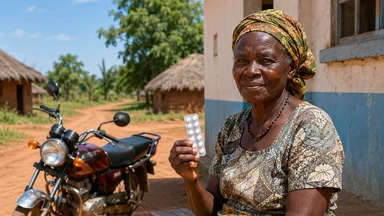
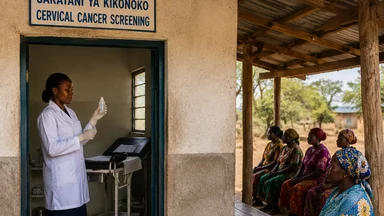
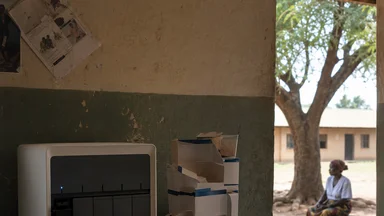
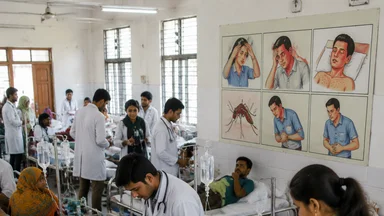
On a typical Monday morning, the diabetes clinic at Kisumu County Referral Hospital is crowded. Patients sit on wooden benches along a narrow corridor, clutching yellow patient cards. Many have travelled from distant villages—some walked for hours, others took boda-boda motorcycles that cost money they could have spent on food. The clinic has one consulting room, two nurses, and no dedicated dietitian. Dr. Atieno sees patients back-to-back, spending an average of 10 minutes per consultation.
"I tell them to lose weight, to eat fewer carbohydrates, to walk more," she said. "But I don't give them a specific meal plan because we don't have one. And even if I did, many of them cannot afford the foods I would recommend." The standard advice—eat more vegetables, lean protein, and whole grains—often clashes with the local food environment. In the markets around Kisumu, a bottle of soda costs 50 Kenyan shillings (about $0.40), while a small bag of salad greens can cost 200 shillings. Refined maize flour, used to make ugali, is cheap and filling. Fresh produce is seasonal and expensive.
For patients already on insulin, the idea of a low-calorie diet raises another concern: hypoglycaemia. "If I tell someone on 40 units of insulin to suddenly eat 800 calories a day, they could have a dangerous low," Atieno explained. "We don't have the staff to monitor them closely. So I stick with what I know works—medication." Insulin and metformin are available through the public supply chain, often free or heavily subsidised. Dietary therapy, by contrast, requires out-of-pocket spending that most patients cannot sustain.
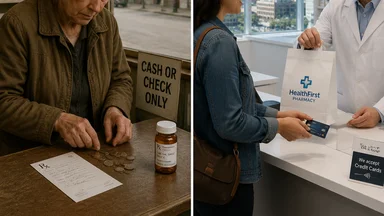
The hospital's pharmacy stocks metformin, glibenclamide, and insulin. There are no meal replacement products. The nearest supermarket that sells protein shakes or low-calorie formula is in Kisumu city, a 30-minute matatu ride that costs 100 shillings round trip. For a patient earning 5,000 shillings a month—roughly $40—the cost of a week's worth of meal replacements, at $2–3 per day, would consume their entire income. "Remission is not just a medical decision," Atieno said. "It's an economic one."
Why Remission Science Stays in Academic Journals
The barriers to implementing remission protocols in rural Kenya are not primarily about lack of evidence. They are about cost, training, and health system design. The low-calorie formula used in the DIRECT trial—such as soups and shakes from companies like Optifast and LighterLife—costs roughly $2–3 per day. For a 12-week programme, that adds up to $168–252 per patient, not including dietitian visits. In a country where the per capita health expenditure is about $80 per year, this is untenable without external subsidy. This cost barrier is a central reason why clinicians cannot prescribe remission diets: even if they wanted to, there is no way to pay for the products through the health system.
No health insurance scheme in Kenya currently covers remission therapy. The National Hospital Insurance Fund (NHIF), which covers a portion of inpatient and outpatient care, does not reimburse for meal replacements or dietitian counselling for diabetes. Private insurers, which cover a small fraction of the population, also exclude dietary therapy. As a result, even if a clinician wanted to prescribe a remission protocol, there is no way to pay for it through the health system.
Clinician training is another gap. Most doctors and clinical officers in Kenya receive limited education on nutritional management of diabetes. The undergraduate medical curriculum includes some basic dietetics, but not the specifics of implementing a low-calorie remission protocol. "I learned about the DIRECT trial in a journal club, not in medical school," said Dr. James Mwangi, a physician at Nakuru Provincial General Hospital. "And even then, the discussion was about the science, not about how to adapt it to our setting." Postgraduate training in diabetes care is concentrated in Nairobi and a few other cities; rural clinicians rarely have access to continuing education on new treatment approaches.
Fear of adverse events also plays a role. In the DIRECT trial, participants were closely monitored, with weekly check-ins and adjustments to diabetes medications. In a busy rural clinic with high patient loads and limited laboratory capacity, such monitoring is difficult. "If a patient on insulin starts a low-calorie diet and develops hypoglycaemia, who is responsible?" asked a clinical officer in Busia County, who asked not to be named. "We don't have glucose test strips for home monitoring. The patient would have to come back to the clinic, and that's not always possible." The health system's lack of capacity for intensive follow-up makes clinicians reluctant to initiate dietary changes that could destabilise patients.
Contrast with High-Income Settings: What Is Possible
The contrast with high-income countries is stark. In the UK, the NHS Low-Calorie Diet Programme is a fully funded, nationally implemented service. Patients receive 12 weeks of total diet replacement products (soups, shakes, and bars) at no cost, along with group or individual support from a dietitian or trained coach. The programme targets patients with a diagnosis of type 2 diabetes within the last six years and a body mass index over 27 kg/m². Early data from the first year of rollout showed that 32% of participants achieved remission (HbA1c below 48 mmol/mol without glucose-lowering medication) at 12 months, with average weight loss of 8.3 kg.
The cost per patient is around £1,200 (approximately $1,500). The NHS estimates that the programme pays for itself within a few years by reducing the need for diabetes medications and preventing costly complications such as kidney failure, amputation, and blindness. A 2023 health economic analysis published in Diabetes Care found that the programme was cost-effective from the health system perspective, with an incremental cost-effectiveness ratio well below the UK's willingness-to-pay threshold.
In the United States, commercial programmes like Virta Health provide remote dietary interventions for type 2 diabetes, using a very-low-carbohydrate diet rather than low-calorie shakes. Virta reports that 60% of participants achieve remission at one year, though critics note that the company's studies are largely observational and funded by the company itself. Even so, the existence of a market for remission services—with insurance reimbursement in some cases—highlights the gap between what is possible in resource-rich settings and what is available in low-resource ones.
Kenya's total health expenditure per capita, including both government and out-of-pocket spending, is roughly $80 per year. The entire annual budget for non-communicable disease programmes in the country is a fraction of what the UK spends on diabetes remission alone. "We cannot simply copy the NHS model," said Dr. Grace Kimathi, a public health specialist at the Kenya Ministry of Health. "We need to find our own path, using locally available foods and community-based support."
Structural Barriers Beyond the Consult Room
The barriers to remission in rural Kenya extend far beyond the clinic walls. The food environment is a major obstacle. In the markets and kiosks of western Kenya, ultra-processed foods are cheap and ubiquitous. A packet of biscuits costs 10 shillings; a bottle of soda, 50 shillings. Fresh vegetables—kale, spinach, tomatoes—are often available but can cost three times as much per calorie. "We eat what we can afford," said Mary Akinyi, a 54-year-old farmer from Siaya County who has had type 2 diabetes for seven years. "Ugali and sukuma wiki are cheap. If I want to eat more vegetables, I have to buy them from the market, and sometimes I don't have the money."
Seasonal food availability also complicates dietary advice. In many rural households, the main source of food is subsistence farming. During the harvest season, there may be plenty of maize, beans, and vegetables. During the dry season, food stocks dwindle, and families rely on purchased staples like maize flour and cooking oil. A diet that is feasible in one season may be impossible in another. "I tell patients to eat more beans and vegetables," Atieno said. "But in the dry season, beans are expensive and vegetables are scarce. Patients nod and then go home to eat what they have."
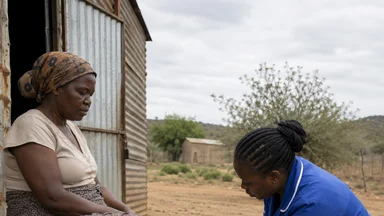
Transport costs further strain budgets. For a patient living 10 kilometres from the nearest clinic, a round trip by boda-boda costs 100–200 shillings. That is money that could have bought a day's worth of vegetables. Many patients skip clinic visits to save money, which means they miss opportunities for dietary counselling or medication adjustment. "If I told a patient to come every week for a weight check and dietary support, they would come once or twice and then stop," Atieno said. "The transport cost alone would be prohibitive."
Cold chain logistics are another hurdle. Liquid meal replacement products, such as the shakes used in the DIRECT trial, require refrigeration. In many rural health facilities, the refrigerator is reserved for vaccines and insulin. There is no space—or budget—for storing dozens of cartons of shakes. Even if the products were donated, maintaining the cold chain in areas with intermittent electricity would be challenging. "We struggle to keep insulin cold," a nurse at a dispensary in Migori County told me. "Adding shakes would be impossible."
Similar challenges have been documented in other non-communicable disease programmes in the region. A related article on this site, Community Health Worker Burnout Drives Hypertension Care Gaps in South Africa, shows how workforce constraints undermine chronic disease management. Another piece, Heart Failure Readmission Costs Push Rural Ugandans to Borrow for Digoxin, highlights the financial toxicity of chronic disease care in the region. These stories echo the structural barriers that also keep diabetes remission out of reach.
Small Steps Toward Adaptation – Not Copying the West
Despite the challenges, a few pilot projects are exploring how to adapt remission protocols for low-resource settings. Dr. James Mwangi, the physician in Nakuru, is leading a small feasibility study using a plant-based meal replacement made from locally sourced ingredients. The formula—a blend of sorghum, bean flour, and micronutrients—costs less than $1 per day to produce. Patients receive two servings per day for eight weeks, along with weekly group counselling sessions led by community health volunteers.
"We are not trying to replicate the DIRECT trial," Mwangi said. "We are trying to find something that works here, with our foods and our people." Early results from the first 30 participants are promising: average weight loss of 5.2 kg at three months, and 12% of participants have achieved HbA1c levels below the diabetes threshold without medication. The sample is small, and the follow-up period short, but the approach suggests that adaptation is possible.
The programme relies on task shifting. Instead of dietitians, community health volunteers—who are already trained to support patients with HIV and tuberculosis—provide the counselling. They visit patients at home, monitor weight, and offer encouragement. "The volunteers are the backbone," Mwangi said. "They know the patients, they speak the language, and they are trusted." The volunteers receive a small stipend from the project, but sustainability depends on integrating them into the formal health system.
Scaling up such pilots will require Ministry of Health approval, donor funding, and changes to the national diabetes guidelines. The Kenya Non-Communicable Diseases Strategic Plan (2021–2026) includes a goal to improve diabetes management, but does not mention remission. Advocacy groups like the Kenya Diabetes Association have begun calling for a remission chapter in the next guidelines update. "We need to move from awareness to action," said the association's chair, Dr. Peter Kamau. "The evidence is there. Now we need the political will and the resources."
Other countries in sub-Saharan Africa are also experimenting. In South Africa, a small trial using a low-carbohydrate diet for type 2 diabetes reported remission rates of 28% at six months. In Nigeria, researchers are testing a locally produced meal replacement made from cassava and soy. These efforts remain isolated, but they signal a growing recognition that remission is not just a high-income world concept.
What Needs to Change for Protocols to Reach Clinics
For remission protocols to move from academic journals to rural clinics in Kenya, several things need to shift. First, the national diabetes guidelines must include a dedicated chapter on remission, with clear protocols for dietary therapy, patient selection, monitoring, and medication adjustment. The current guidelines are silent on the topic, leaving clinicians without official guidance. "If it's not in the guidelines, we don't do it," a clinical officer in Homa Bay County said. "The guidelines are our bible."
Second, training hubs for nurses and clinical officers should incorporate dietary therapy into their curricula. The Kenya Medical Training College, which trains the majority of mid-level health workers, could develop a short course on diabetes remission. Online modules, supported by professional societies, could reach clinicians in remote areas. "We don't need everyone to become a dietitian," Atieno said. "But every clinician should know the basics of how to use a low-calorie diet safely."
Third, financing mechanisms need to change. Public-private partnerships could subsidise the cost of low-calorie foods or meal replacements. The NHIF could add a remission benefit, covering a defined number of weeks of dietary support. Donors, who have historically focused on infectious diseases, could fund pilot programmes for non-communicable disease remission. "The cost of treating complications is much higher than the cost of remission," Kimathi said. "We need to make the economic case to insurers and to the Treasury."
Fourth, task shifting must be formalised. Community health volunteers are already involved in psychosis delays treatment by two years for farmers in rural western Kenya, and they could similarly support diabetes remission by monitoring weight and blood glucose weekly. With proper training and supervision, they could identify patients who are eligible for remission and provide ongoing support. "We have the workforce," Mwangi said. "We just need to deploy them differently."
Finally, the food system itself must be addressed. Policies that make healthy foods more affordable—such as subsidies for vegetable production, taxes on sugary drinks, and support for local farmers—could create an environment where dietary change is possible. These are long-term structural interventions, but without them, any remission protocol will be fighting against the current. "We can give patients a meal replacement for 12 weeks," Kimathi said. "But if they go back to eating cheap, unhealthy food, the weight will return."
The gap between evidence and practice in diabetes remission is not unique to Kenya. It reflects a broader challenge in global health: how to translate interventions proven in well-funded, high-income settings into contexts where resources are scarce and health systems are fragile. The science of remission is robust. The practice is lagging. Bridging the gap will require not just clinical innovation, but political commitment and sustained investment. For now, in rural clinics across western Kenya, the protocols sit unused—not because they don't work, but because the system is not built to deliver them.
This article is for educational purposes only and does not provide medical advice. Consult a qualified health professional for guidance on diabetes management.